Los entusiastas del camping a menudo se enfrentan al dilema de elegir entre las tiendas de campaña para techo de automóvil y las tradicionales tiendas de campaña para suelo. Si bien ambas tienen el mismo propósito, sus diferencias en diseño y funcionalidad afectan significativamente la experiencia de campamento. Este artículo analiza factores clave como la seguridad, la comodidad y la portabilidad para ayudar a los aventureros a tomar decisiones informadas.
**Seguridad: la altura importa**
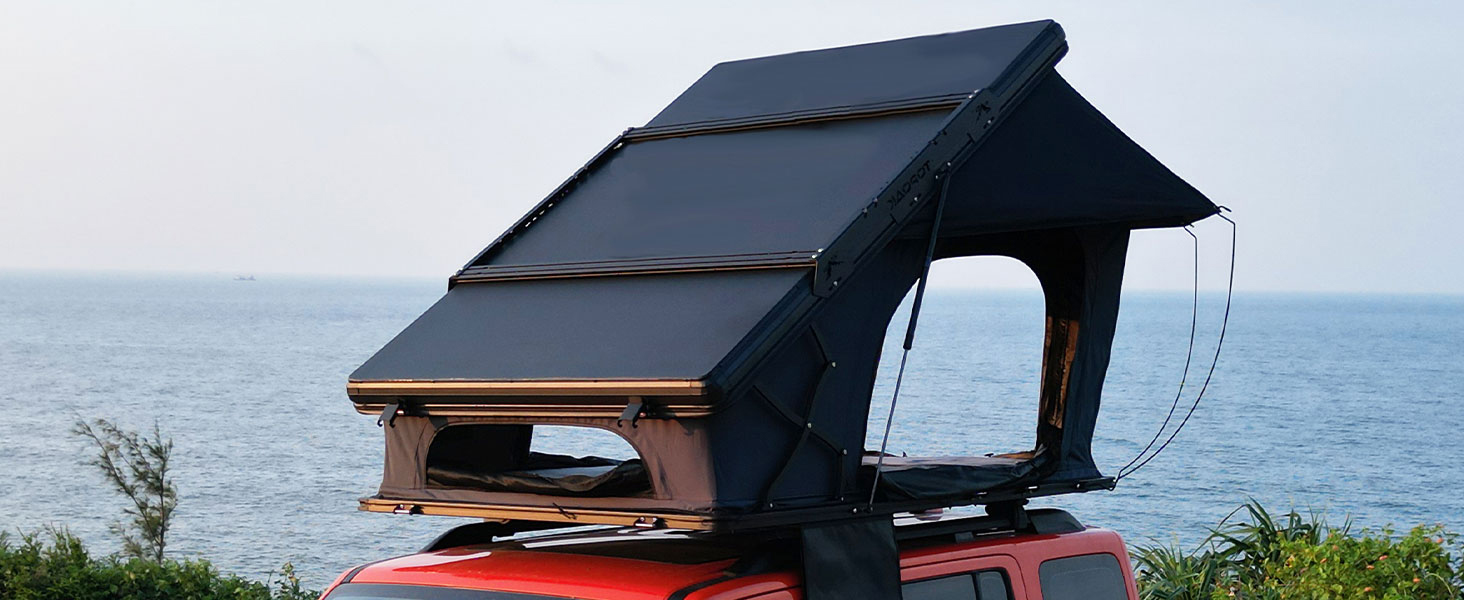
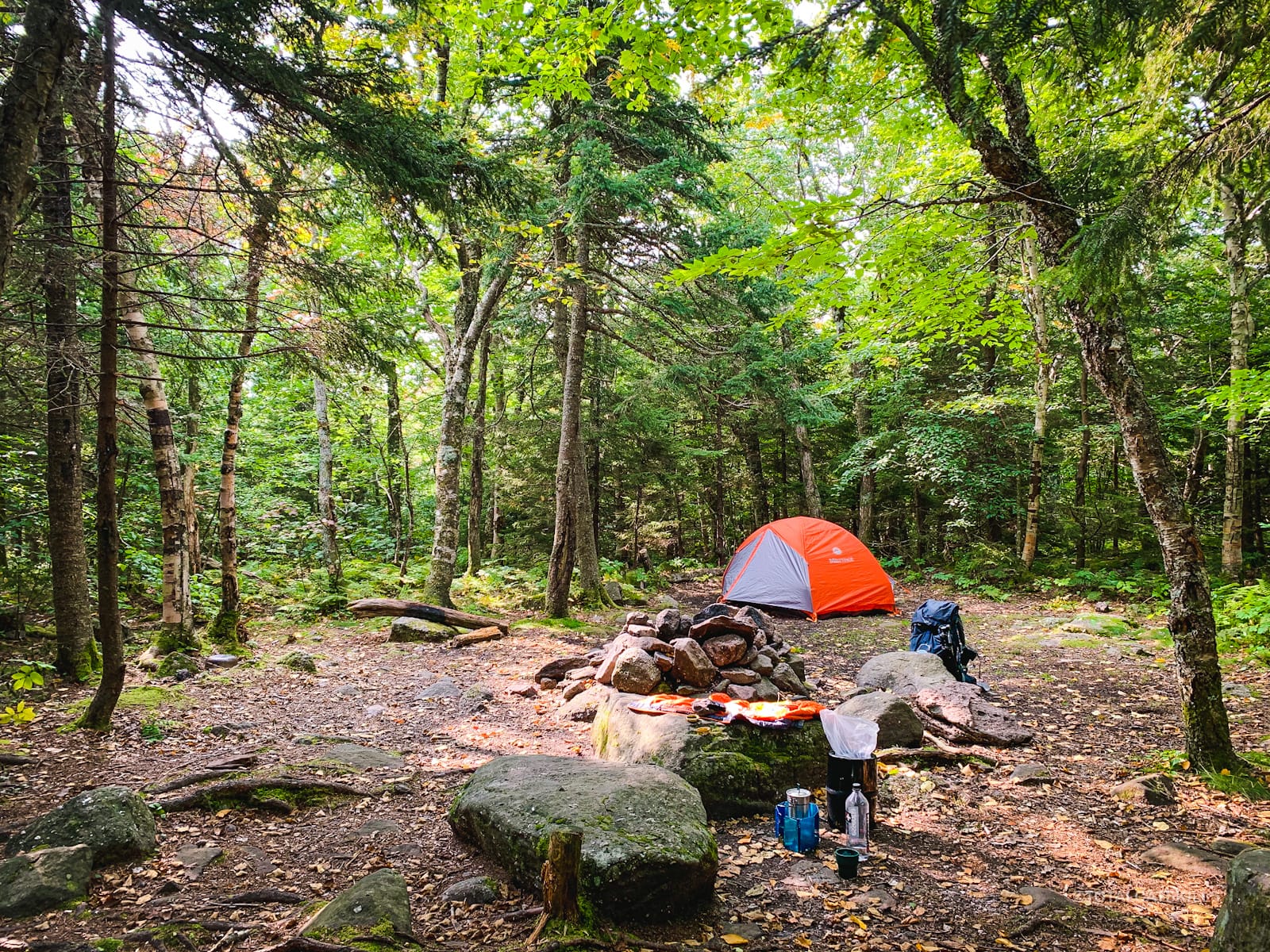
Las tiendas de campaña para techo de automóvil se destacan en seguridad al elevar a los campistas por encima de los peligros del nivel del suelo. Disuaden eficazmente a las serpientes, los insectos y la humedad, problemas comunes en las tiendas de campaña para suelo. Por ejemplo, en regiones de gran altitud como el Tíbet, donde las caídas repentinas de temperatura y los encuentros con la vida silvestre son frecuentes, las carpas de techo brindan un refugio seguro. Sin embargo, las carpas de suelo exponen a los usuarios a la humedad y al terreno impredecible, como el barro o las rocas afiladas, que pueden comprometer la calidad y la seguridad del sueño.
**Comodidad: lujo incorporado**
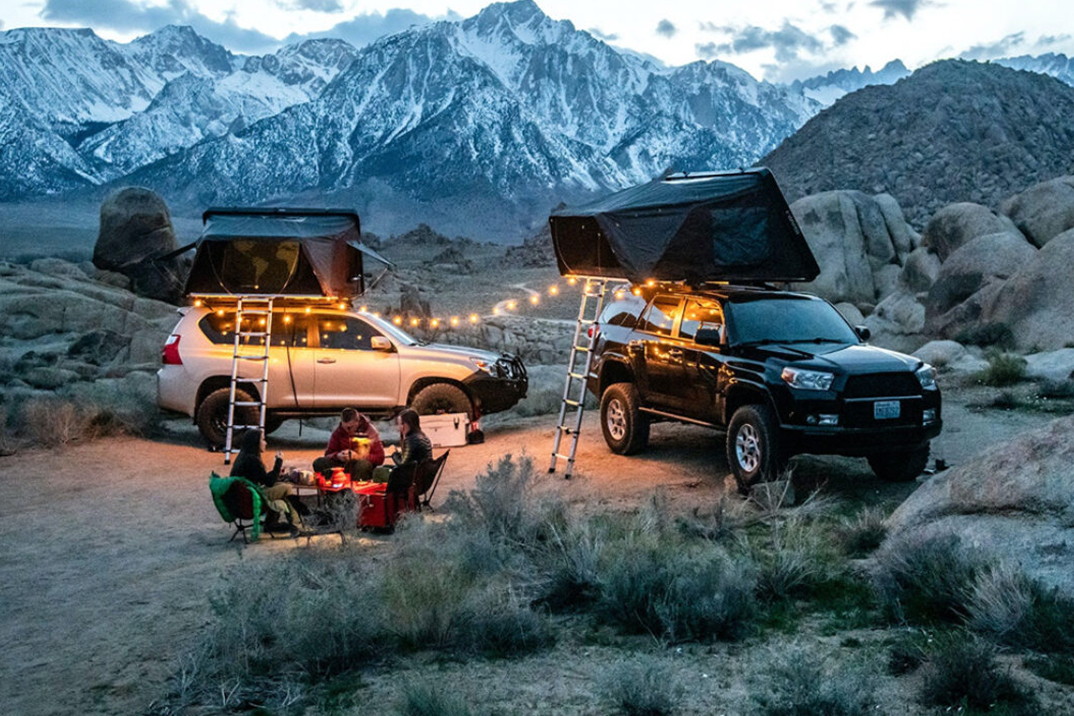
Las carpas de techo a menudo incluyen colchones gruesos y materiales resistentes a la intemperie, lo que ofrece una experiencia "similar a la de un hogar". Marcas como Platudo destacan modelos con áreas para dormir de 220 cm × 160 cm, que superan los tamaños estándar de camas dobles. Las carpas de suelo requieren equipo adicional, como colchonetas para dormir, lo que agrega complejidad a la instalación. Además, las carpas de techo permiten vistas panorámicas de 360°, lo que mejora las experiencias de observación del amanecer o de las estrellas, un lujo que las carpas de suelo no pueden igualar.
**Portabilidad e instalación**
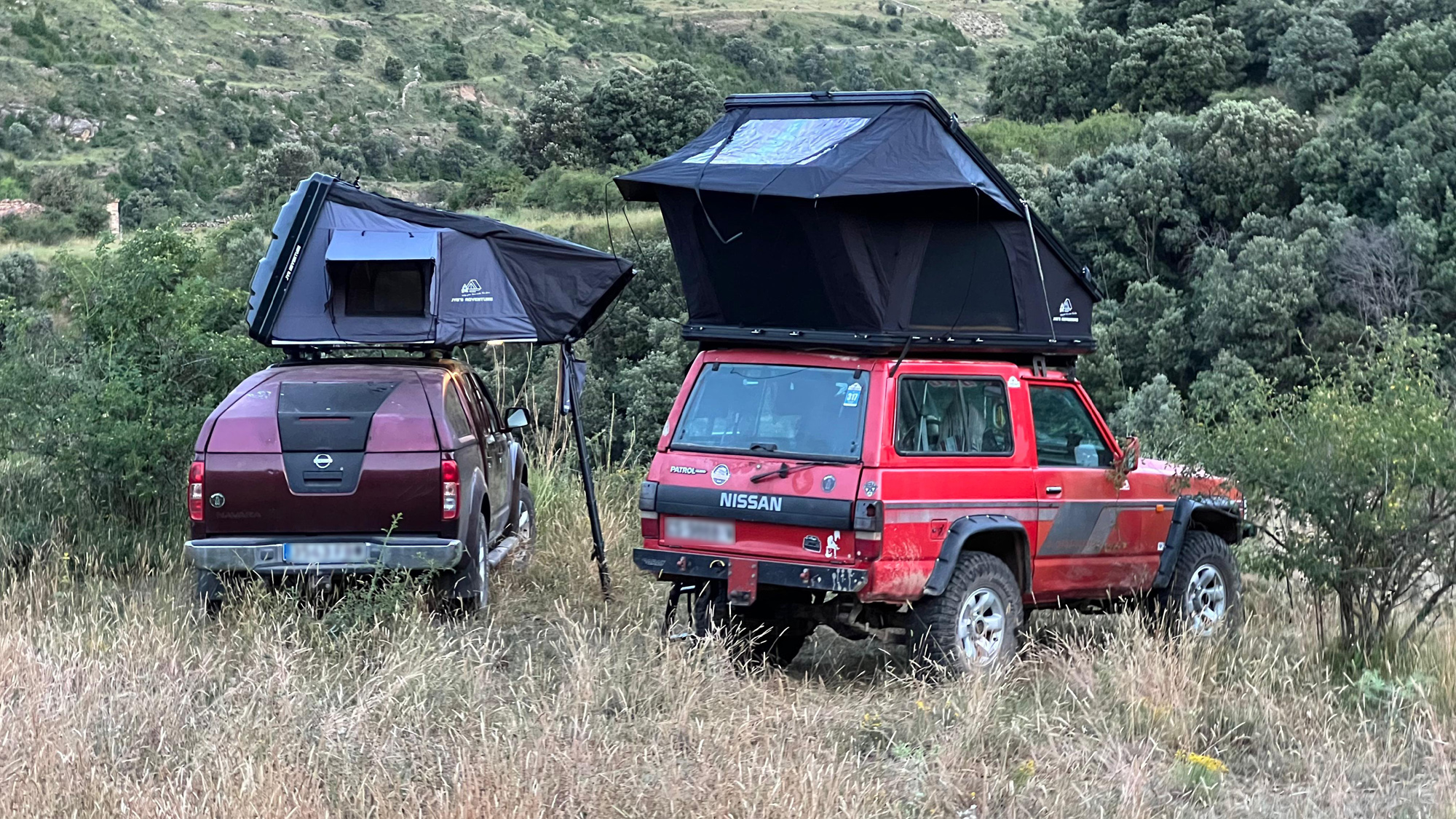
Las carpas de techo destacan por su comodidad. Los diseños automatizados se despliegan en menos de dos minutos, lo que elimina la necesidad de postes o estacas. Esto es invaluable durante cambios repentinos de clima o llegadas tardías a los campamentos. Las tiendas de campaña de suelo requieren un montaje que lleva mucho tiempo y, a menudo, requiere de varias personas. Sin embargo, las tiendas de campaña de techo añaden peso (50–60 kg) y aumentan la resistencia al viento, lo que aumenta ligeramente el consumo de combustible.
**Costo y limitaciones prácticas**
Las tiendas de campaña de techo son más caras (¥5,000–¥15,000) en comparación con las tiendas de campaña de suelo. Su instalación semipermanente también complica el almacenamiento y el acceso al garaje debido a la altura adicional. Para los campistas ocasionales, las tiendas de campaña de suelo siguen siendo una opción económica.
**Ejemplo del mundo real: sobrevivir a un campamento monzónico**
Durante las temporadas de lluvia, las tiendas de campaña de techo evitan la entrada de agua y las inundaciones del suelo. Un usuario de JVB en EE. UU. compartió cómo el diseño elevado y la tela impermeable de su tienda de campaña de techo lo mantuvieron seco a pesar de las fuertes lluvias, mientras que las tiendas de campaña de suelo vecinas lucharon con las goteras.
**Conclusión**
Las tiendas de campaña de techo son ideales para los viajeros frecuentes que priorizan la seguridad y la comodidad, mientras que las tiendas de campaña de suelo se adaptan a los campistas ocasionales con un presupuesto limitado.