Dear adventurer,
If you are reading this, it’s because you love the freedom of the road as much as we do. Whether climbing the Pyrenees, crossing the deserts of Almería, or simply escaping for a weekend to the mountains, you know that every detail matters. And when it comes to sleeping under the stars, the choice between a hard-shell tent and a canvas one can make the difference between a magical night and... a nightmare.
As outdoor equipment experts at JVB's Adventure, we have seen it all. Today we want to share with you an honest and detailed comparison that will resolve all your doubts. Ready to discover why hard-shell tents are revolutionizing the overlanding world?
🏔 1. The Dilemma of Every Adventurer: Hard or Canvas?
Imagine this situation:
You’ve been driving for hours on forest tracks. Night falls, the temperature drops rapidly, and it starts to rain. You need to set up your shelter quickly.
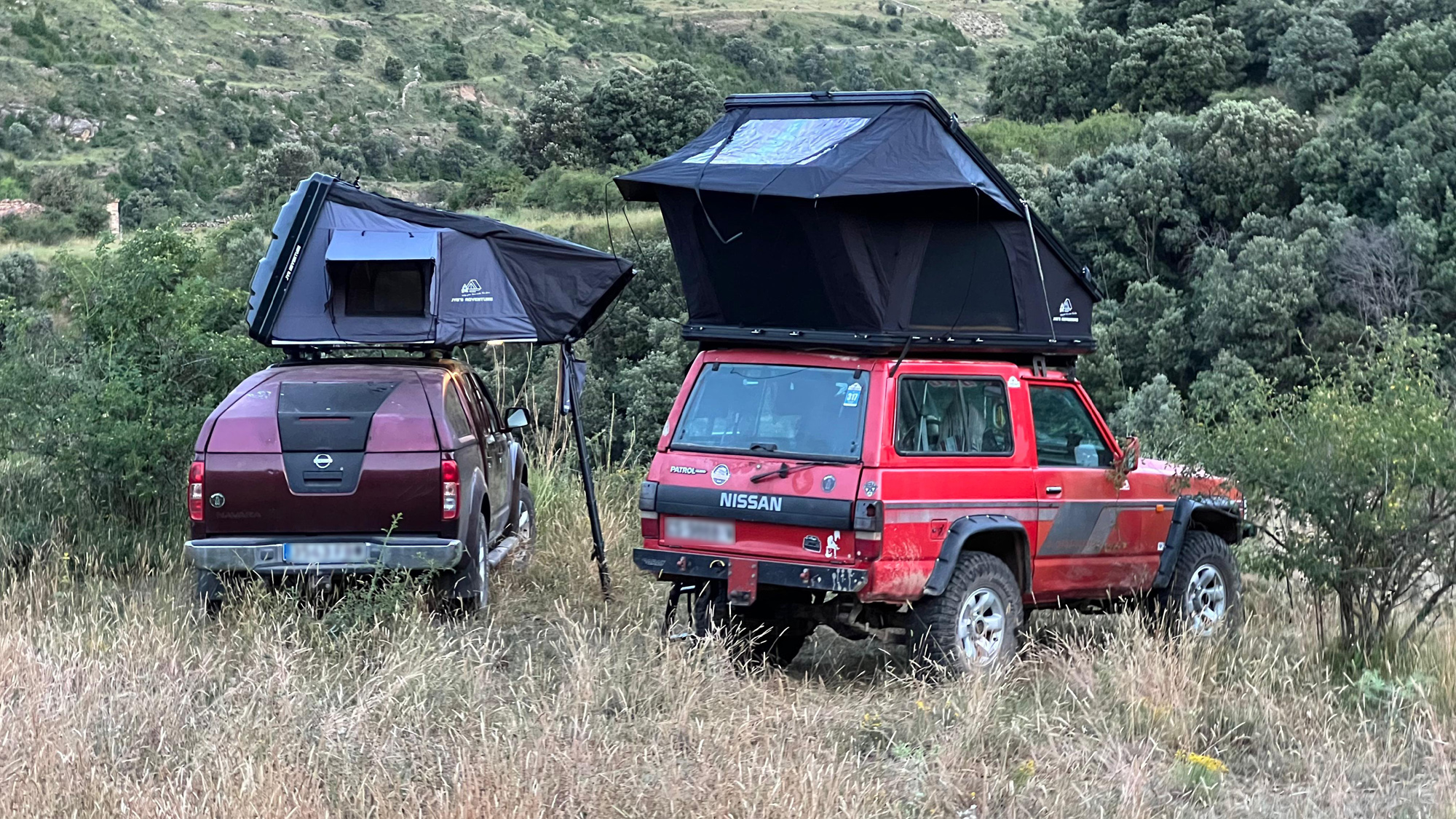
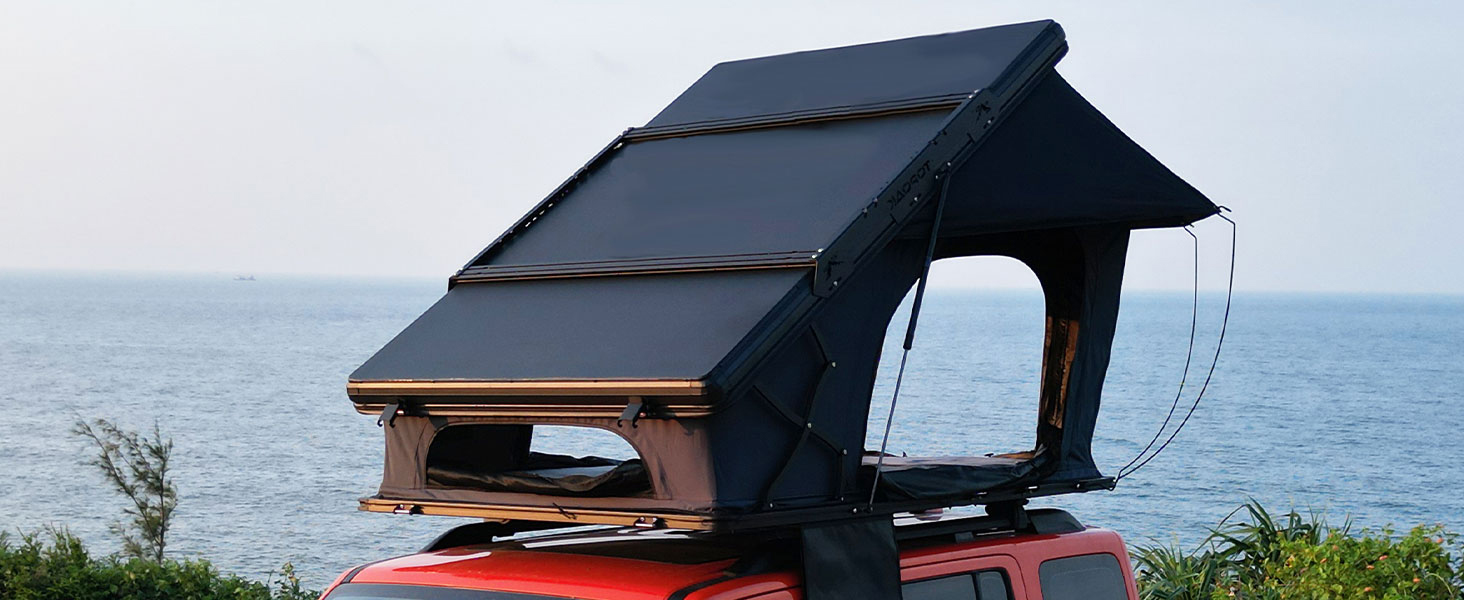
• With a hard-shell tent: You press a button and in 15 seconds your bed is ready. Dry, warm, and stable.
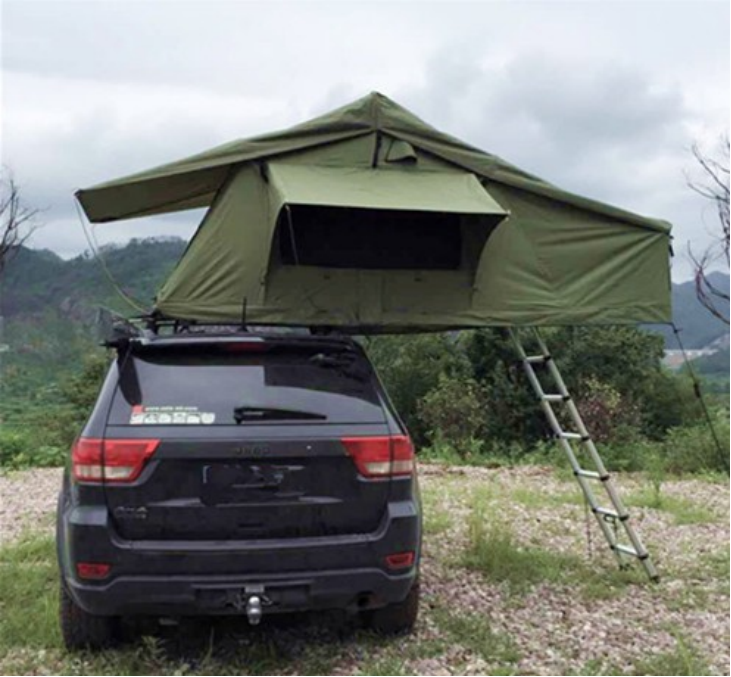
• With a canvas tent: You take out the poles, try to fit the structure with wet gloves while the rain soaks everything. 15 minutes later... you’re still struggling.
Can you guess which option 92% of our customers choose after trying both?
🛡 2. The Uncomfortable Truth About Canvas Tents
Don’t get us wrong: canvas tents have their place. They are more affordable initially and work well for occasional use in favorable weather. But here’s the reality that many suppliers don’t want you to know:
Real Problems Reported by Users:
• "On my third trip to the Picos de Europa, a gust of wind broke a pole. We spent the night in the car" - Carlos, Gijón
• "After 2 years, the canvas started to peel at the seams. The repair cost almost half of a new tent" - Sofía, Sevilla
• "Setting up at night is torture. My wife refuses to travel with me since that time in Granada" - David, Barcelona
🚀 3. Why Hard-Shell Tents Are a Revolution (Not Just a Product)
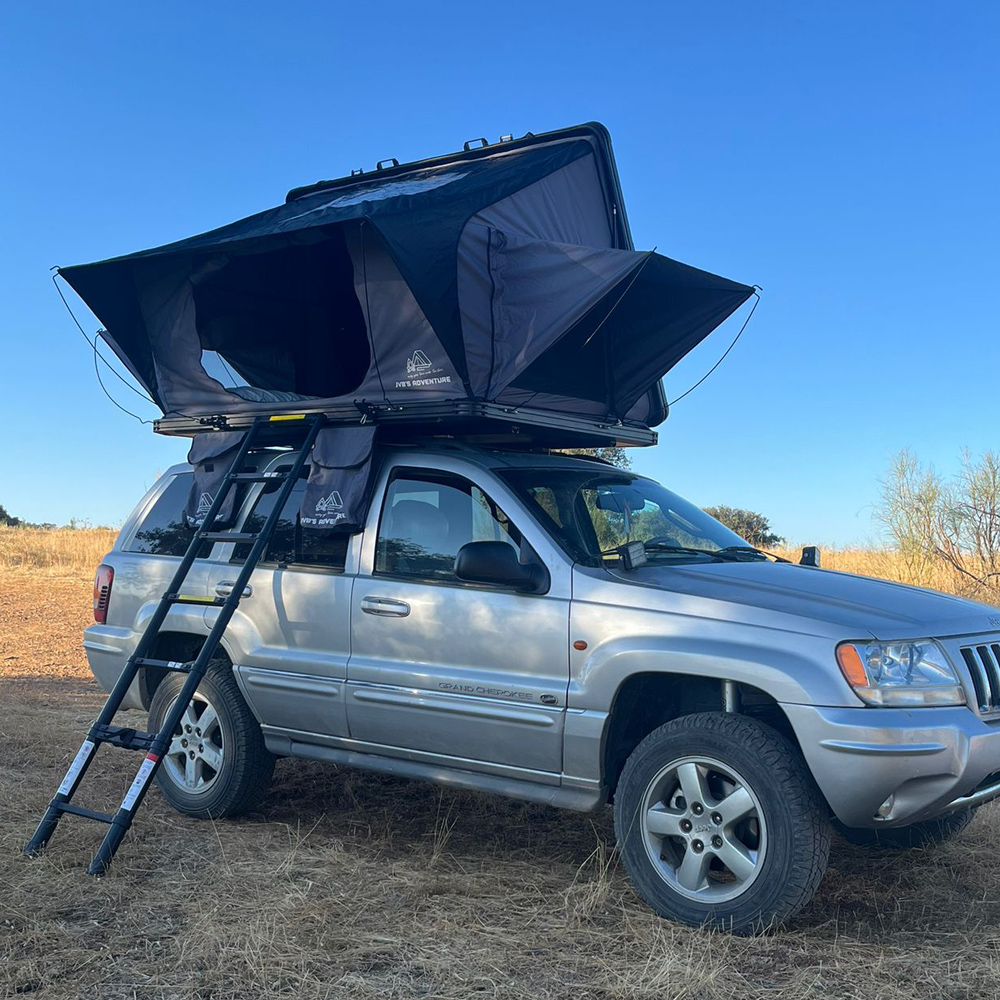
A. Safety That Calms
Hard-shell tents use aerospace-grade aluminum alloy and have been tested in extreme conditions:
• Withstands winds of 120 km/h
• Snow load resistance: up to 200 kg
• Stainless steel locks that are tamper-proof
B. Comfort That Changes Everything
• High-density polycotton material that blocks the sun and is waterproof
• Integrated 7 cm high-density foam ergonomic mattress (no inflation needed)
• Multifunctional windows: triple layer with insect mesh, opaque fabric, and transparent fabric
C. Efficiency That Surprises
• Fuel savings: aerodynamic design vs. parachute-style canvas tents
• Permanent installation: forget about setting up/taking down. Ready in 15 seconds
• Lifespan: 10 years vs. 3-5 years for canvas tents
🛡️ Key Advantages of Hard-Shell Tents
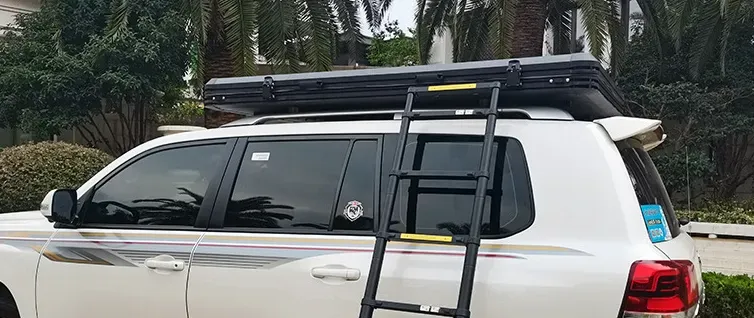
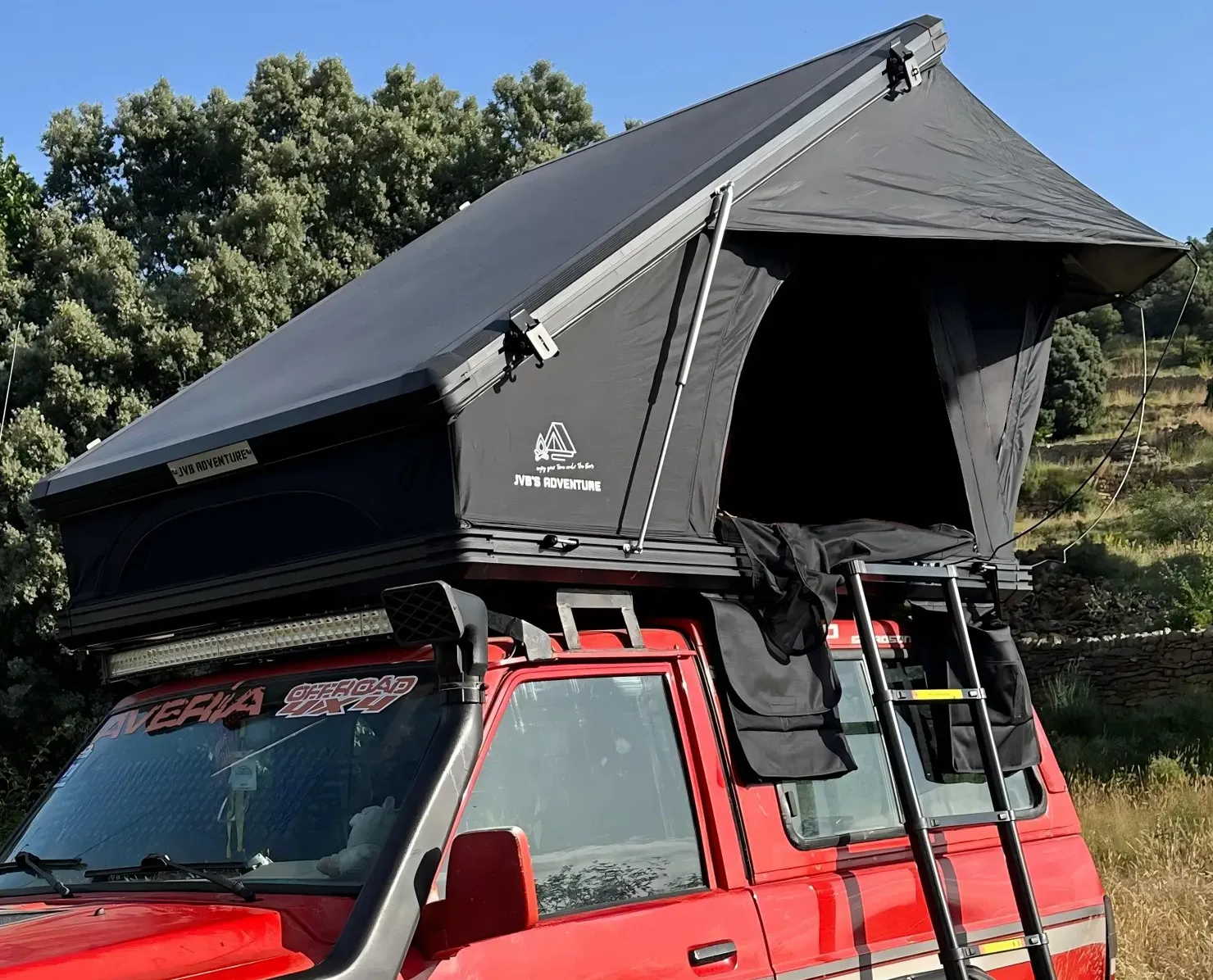
1)Maximum Protection
◦ Total resistance: Made of aluminum or fiberglass, they withstand extreme conditions: wind, rain, hail, and even the curiosity of wild animals.
◦ Thermal insulation: Keeps the interior cool in summer and warm in winter, something almost impossible in canvas tents.
2)Safety and Stability
◦ Robust structure: Integrated locks that deter theft and protect your gear inside the vehicle.
◦ Ultra-quick setup: Deploys in seconds with a single gesture. Forget about assembling structures with poles in the rain!
3)Elevated Comfort
◦ Integrated mattress: Includes padded bases ready to use. No tedious setups.
◦ Optimized space: Aerodynamic designs that reduce fuel consumption vs. bulky tents.
⚠️ Disadvantages of Canvas Tents
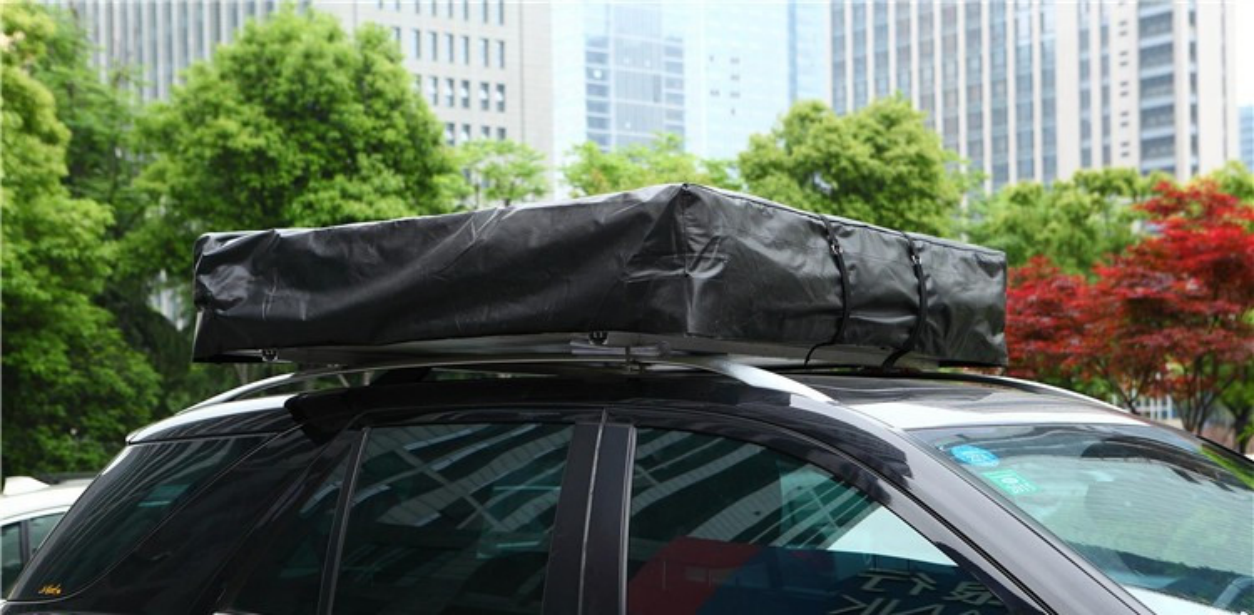
• Vulnerability: They can tear from branches or hail, leaving you exposed to the elements.
• Slow setup: Require manual assembly (poles, anchors) that consumes time and patience.
• Shorter lifespan: The canvas degrades with sun and moisture, needing periodic replacements.
💡 4. The Economic Argument: Does a Hard-Shell Tent Really Cost More?
Let’s break down the numbers for average use (15 trips/year):
Initial Investment:
• Mid-quality canvas tent: 1,200€
• Hard-shell: 2,100€
But consider this:
• Lifespan: Canvas (4 years) vs. Hard-shell (10+ years)
• Annual cost: Canvas 300€ vs. Hard-shell 210€
• Repairs: Canvas 150€/year vs. Hard-shell 20€/year
• Setup time: 40h/year vs. 0.5h/year (isn’t your time worth something?)
What’s the result? In 4 years, the hard-shell tent is more economical considering all factors.
📝 Conclusion: Choose Memories, Not Nightmares
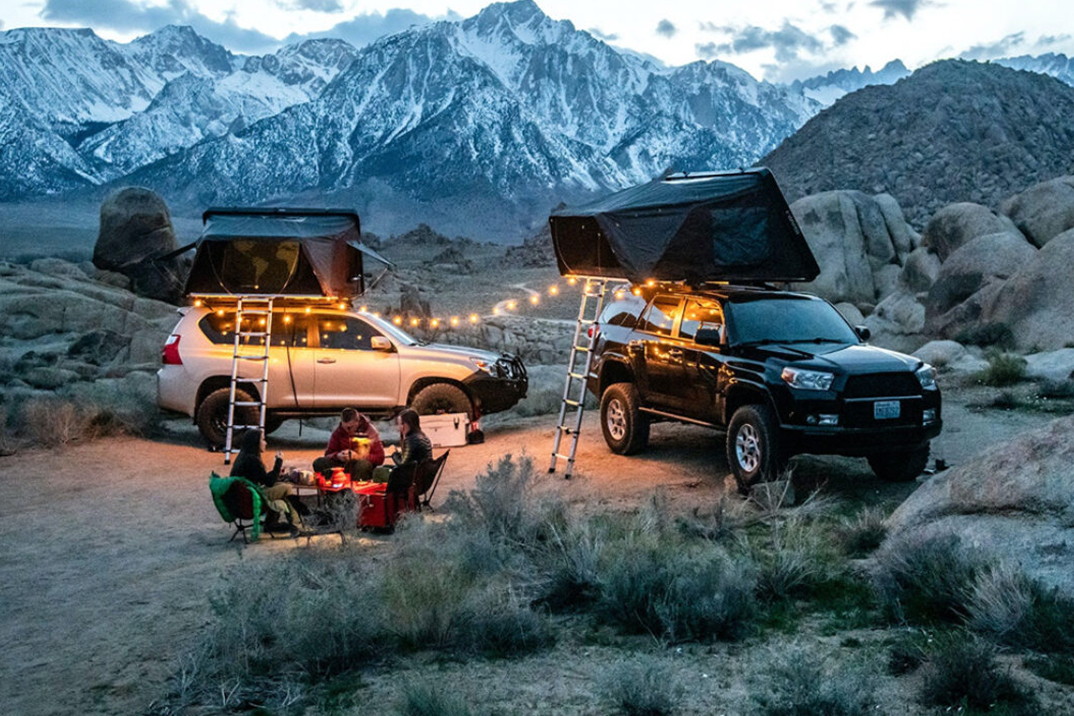
After reading this, the question is no longer "Can I afford a hard-shell tent?" but "Can I afford to keep wasting time, comfort, and safety with a canvas tent?"
Your adventures deserve to be remembered for the landscapes, the laughter around the fire, and the nights under starry skies... not for equipment that fails when you need it most.
Isn’t it time for your gear to live up to your dreams?