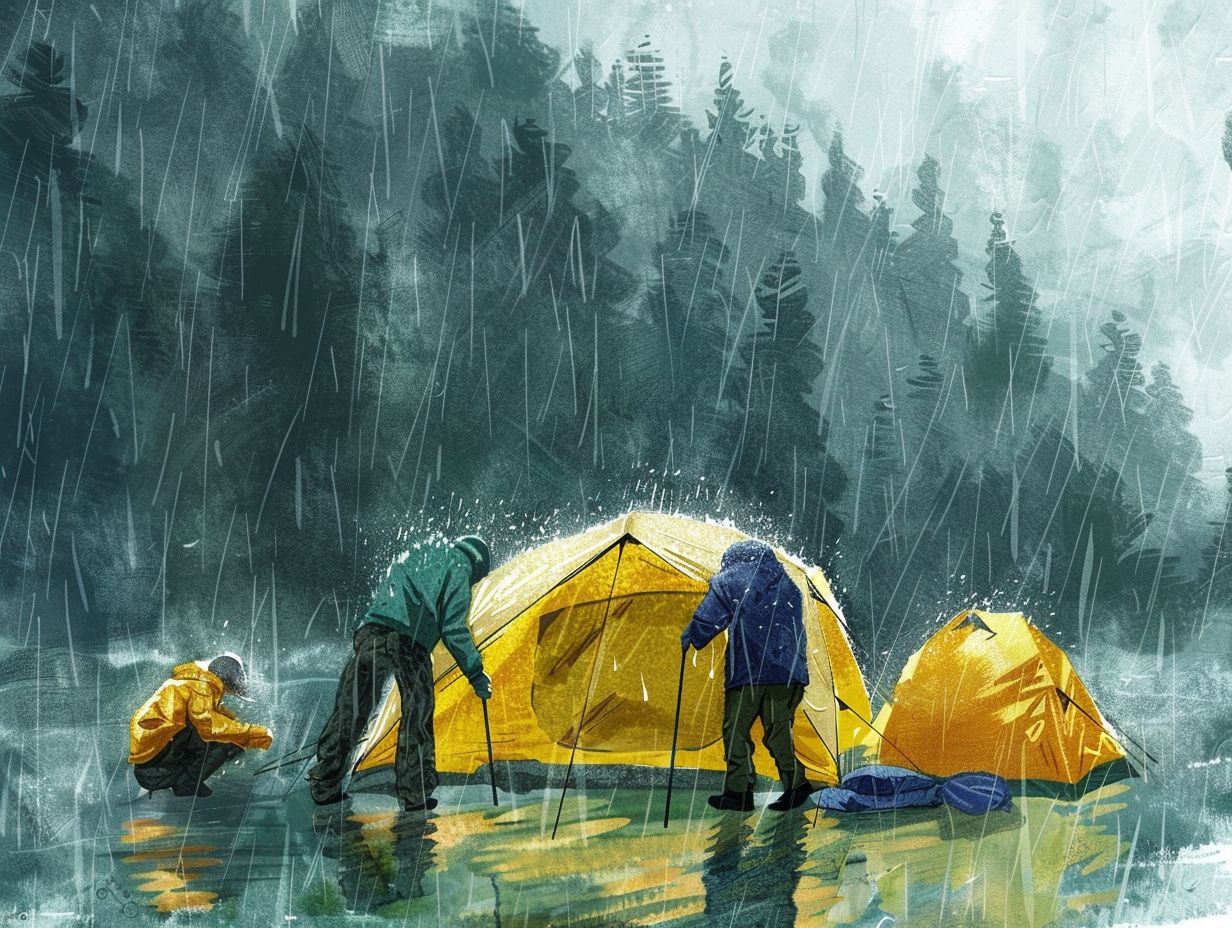
The rainy seasons turn camping into a battle against humidity.This article compares how rooftop and ground tents handle moisture, with practical tips to stay dry.
**Waterproofing: built-in defense**
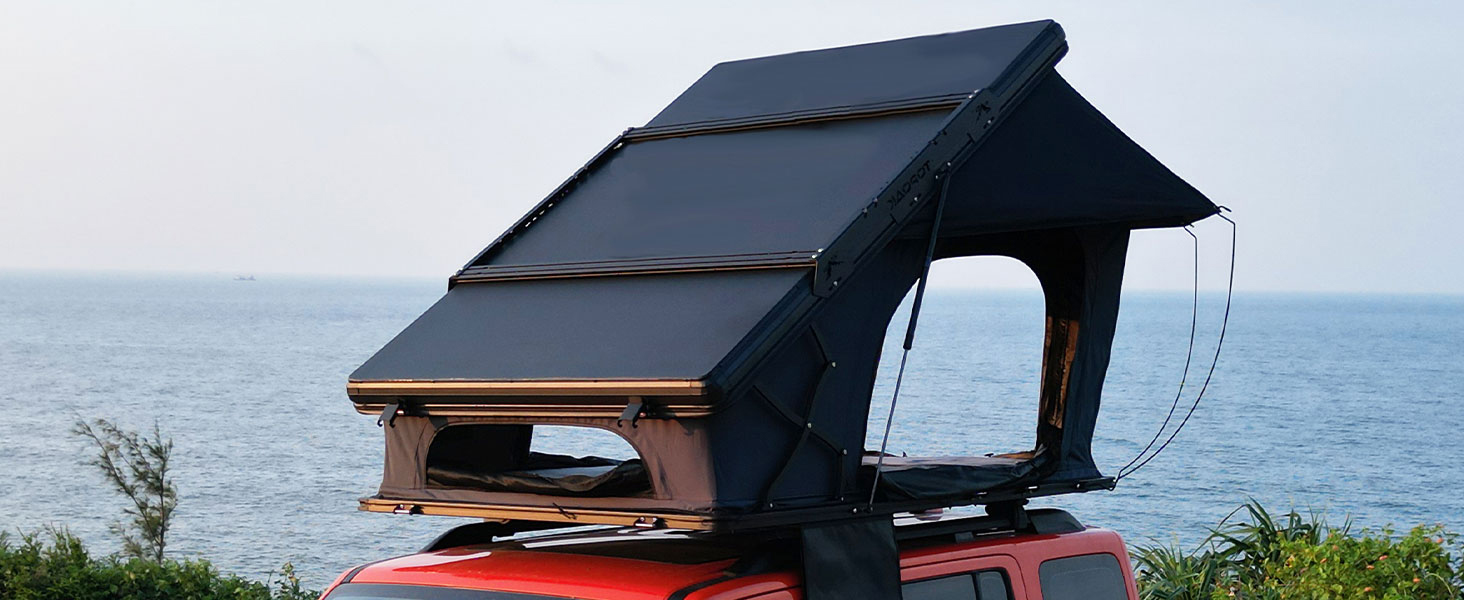
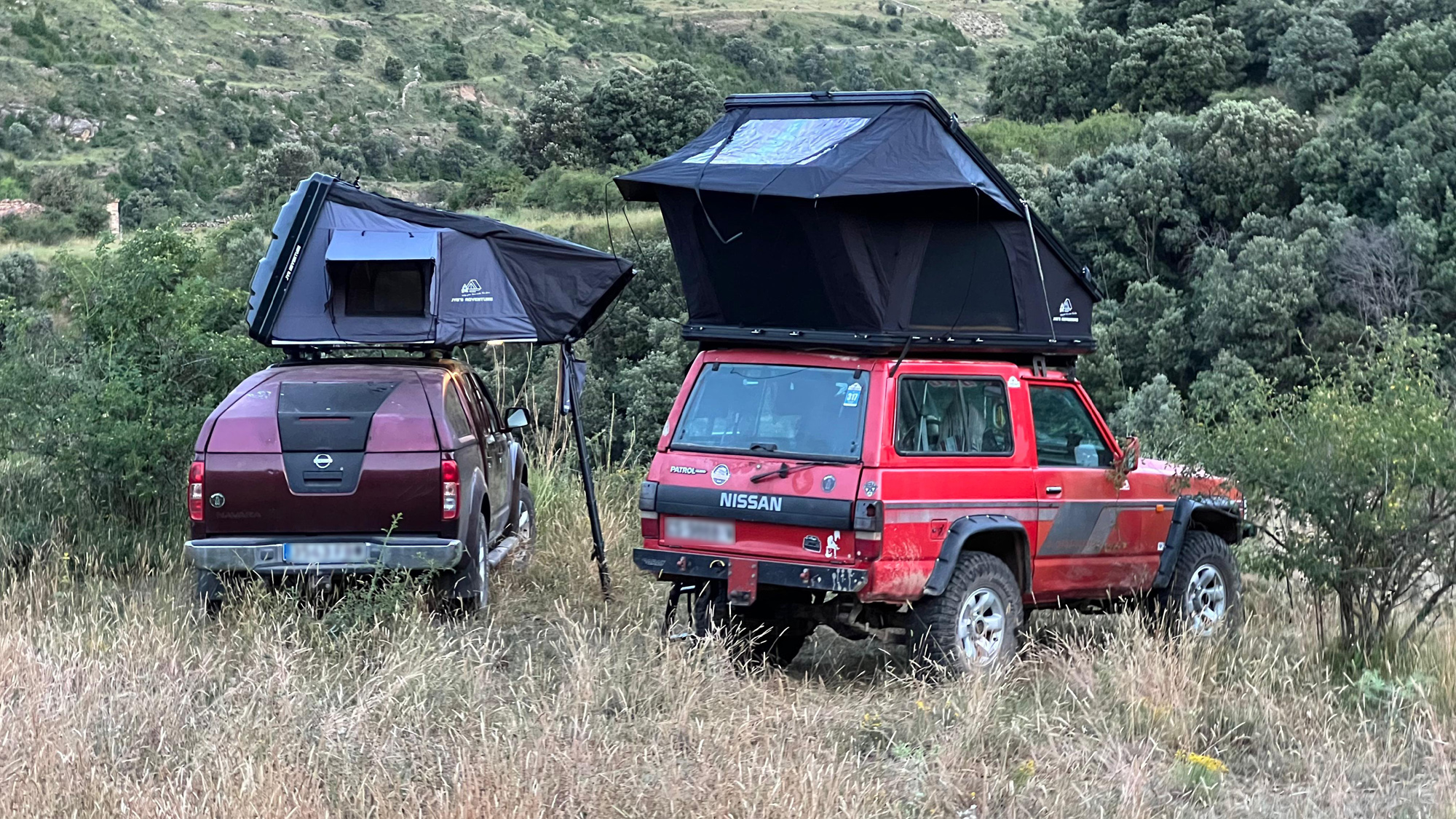
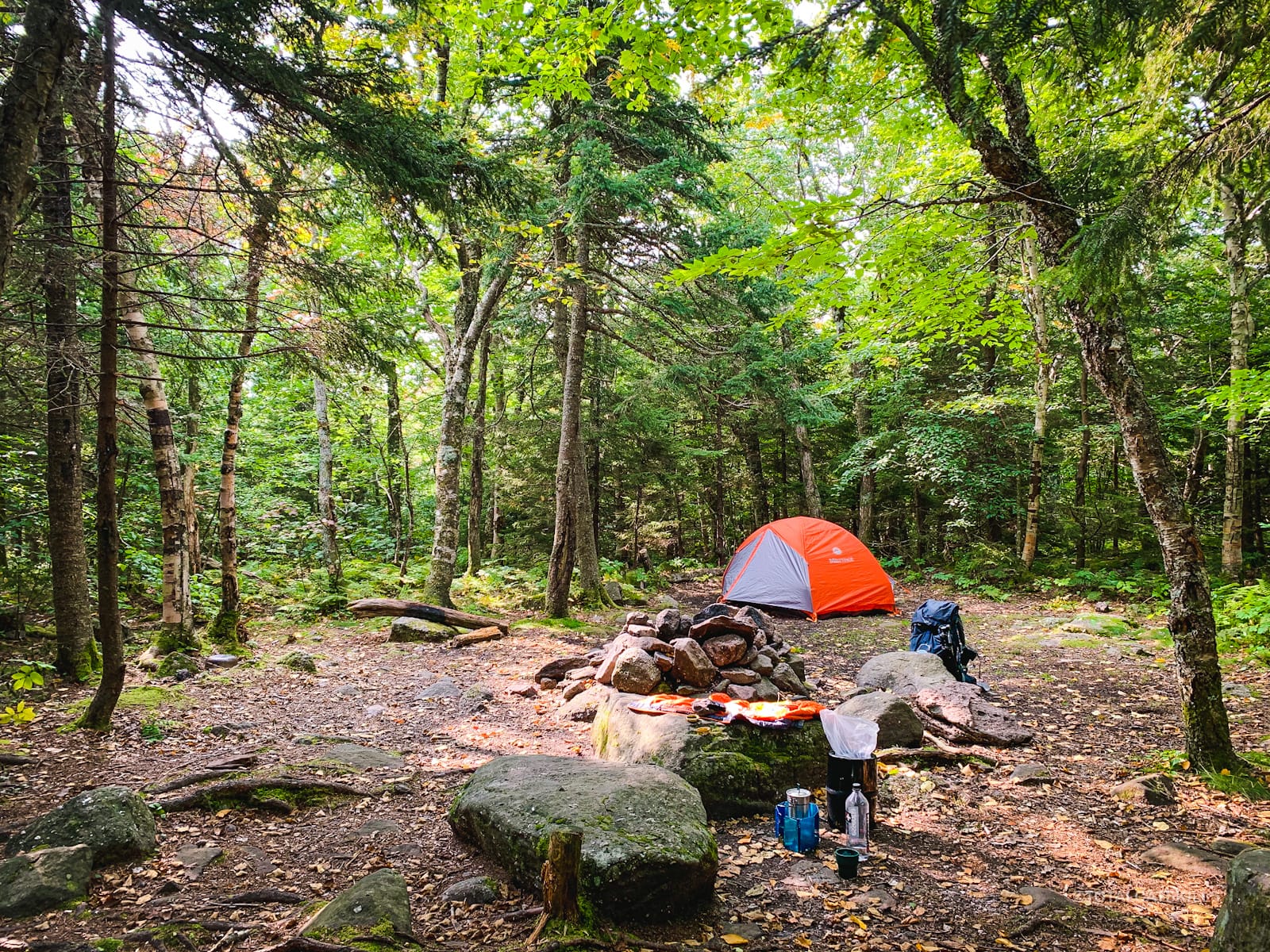
The rooftop camping tents use multi-layer fabrics with sealed seams to block rain.Brands like JVB4X4 incorporate 360° waterproofing and flood-resistant bases, ensuring dryness even during heavy downpours.Camping ground tents, despite the use of covers, often succumb to ground leaks and water accumulation.
**Ventilation and mold prevention**
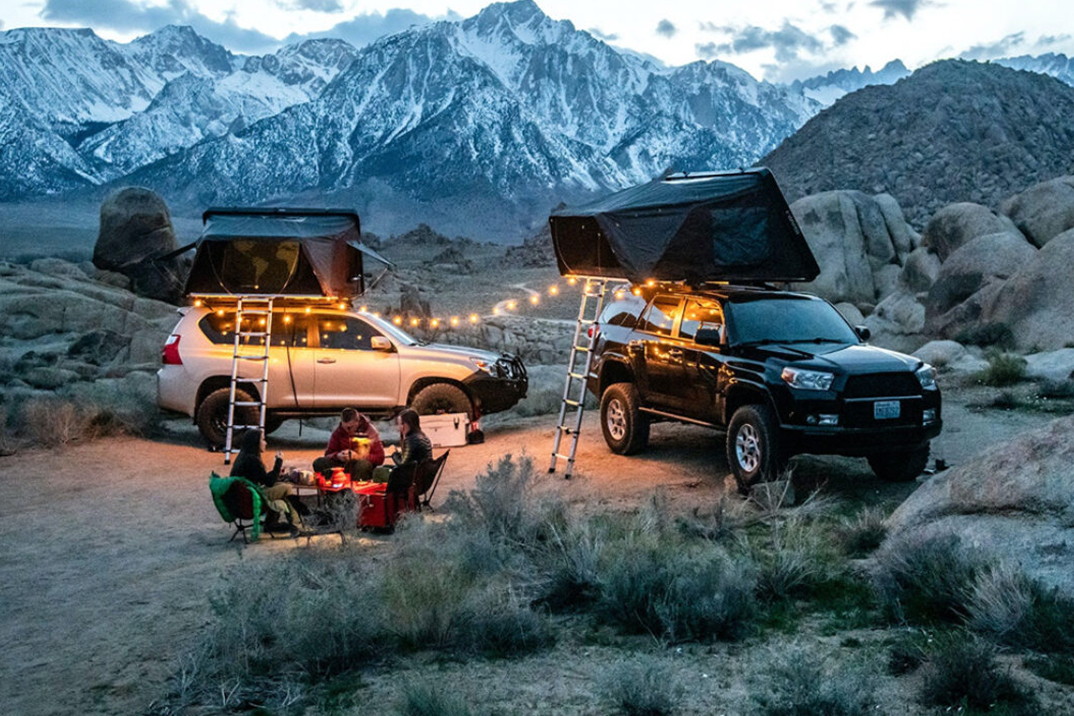
Elevated roof tents promote airflow, which reduces condensation, a common problem in ground tents.A camper in Australia noticed that their rooftop tent remained mold-free after a week of rain, while their ground tent required extensive drying.
**Case Study: Flood Survival in Japan**
During a flood in Japan in 2023, a family using a JVBAdventure rooftop tent floated safely until rescue, thanks to its air beam structure.The ground tents in the area were dragged or flooded.
**Disadvantages: cost and complexity of installation**
The high price of roof tents (more than 1500 €) and the semi-permanent installation deter budget-conscious campers.In addition, retracting a wet roof tent requires careful drying to avoid mold.
**Professional tip: combine it with accessories**
Improve the performance of the rooftop tent with a silicone spray for zippers and portable dehumidifiers.For ground tents, use elevated tarps and moisture-absorbing liners.
**Conclusion**
Rooftop tents are an innovative option for adventures in the rain, although their cost requires a long-term commitment.